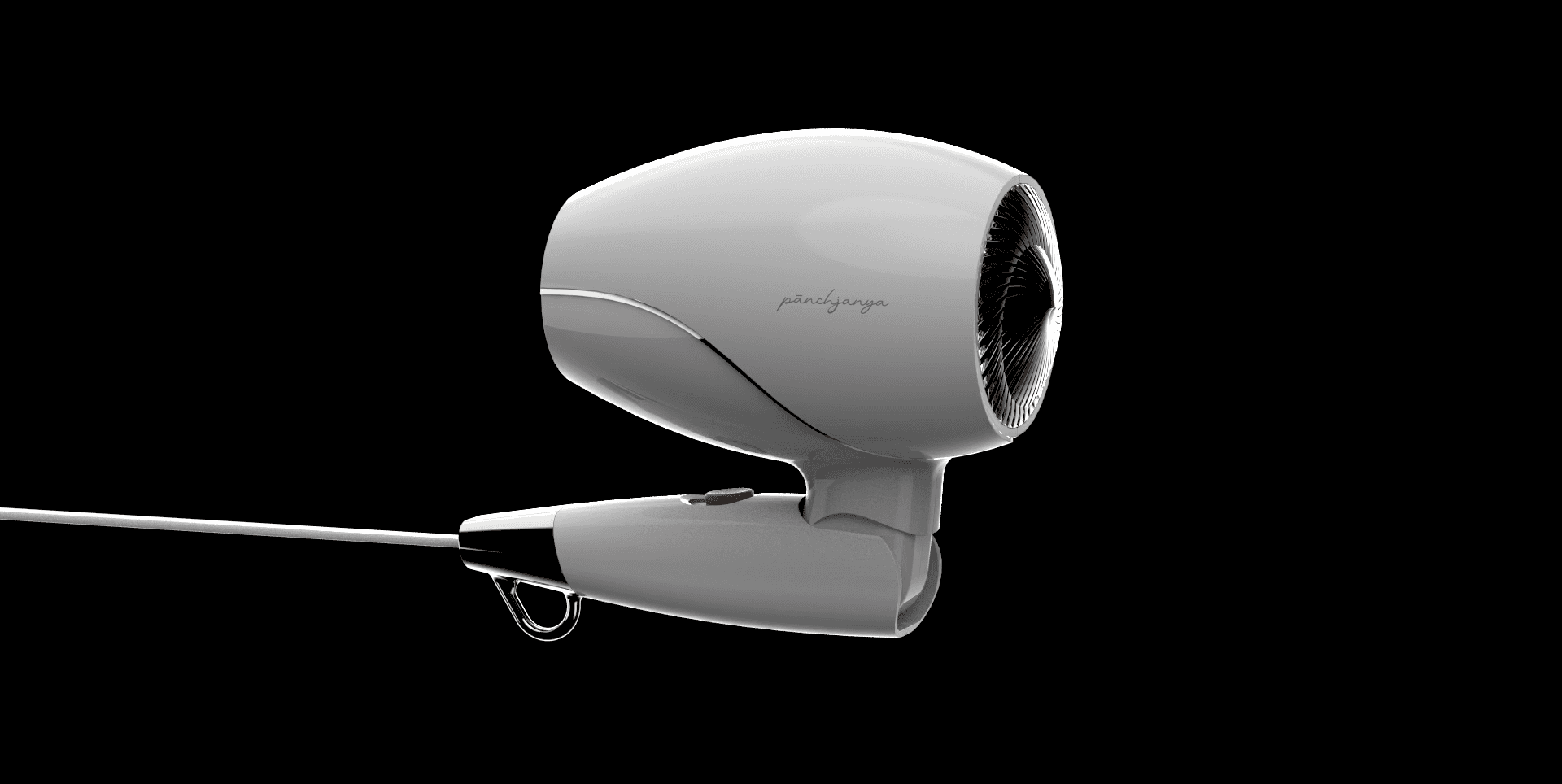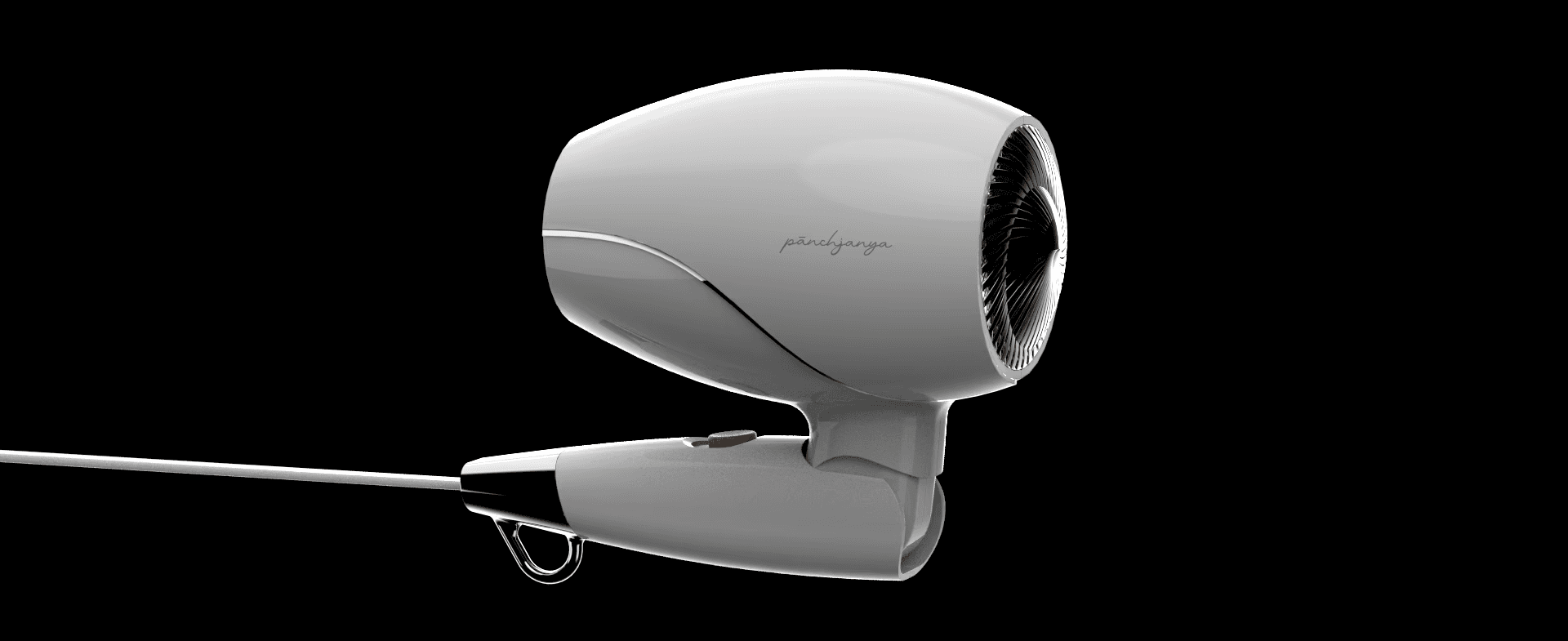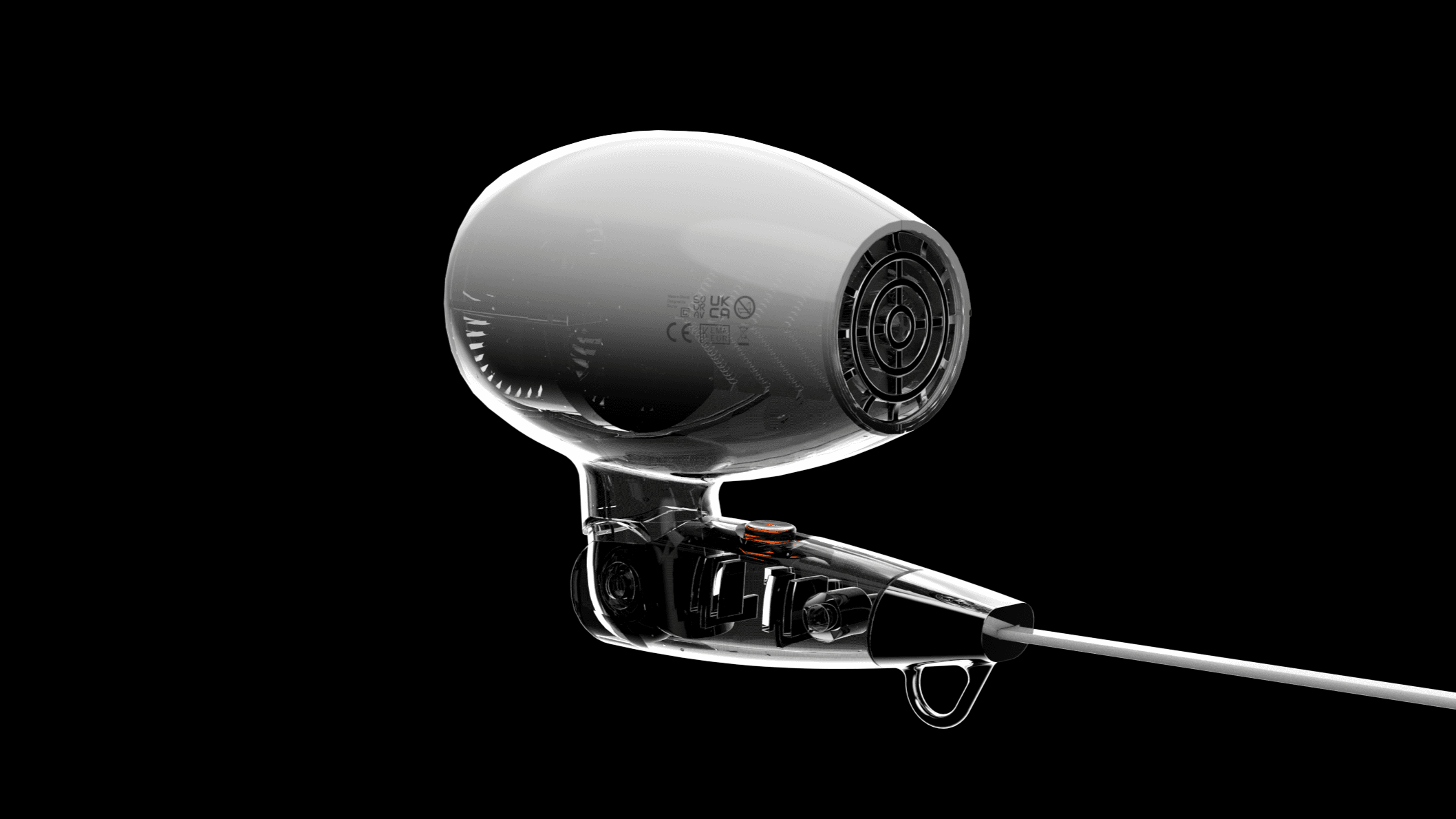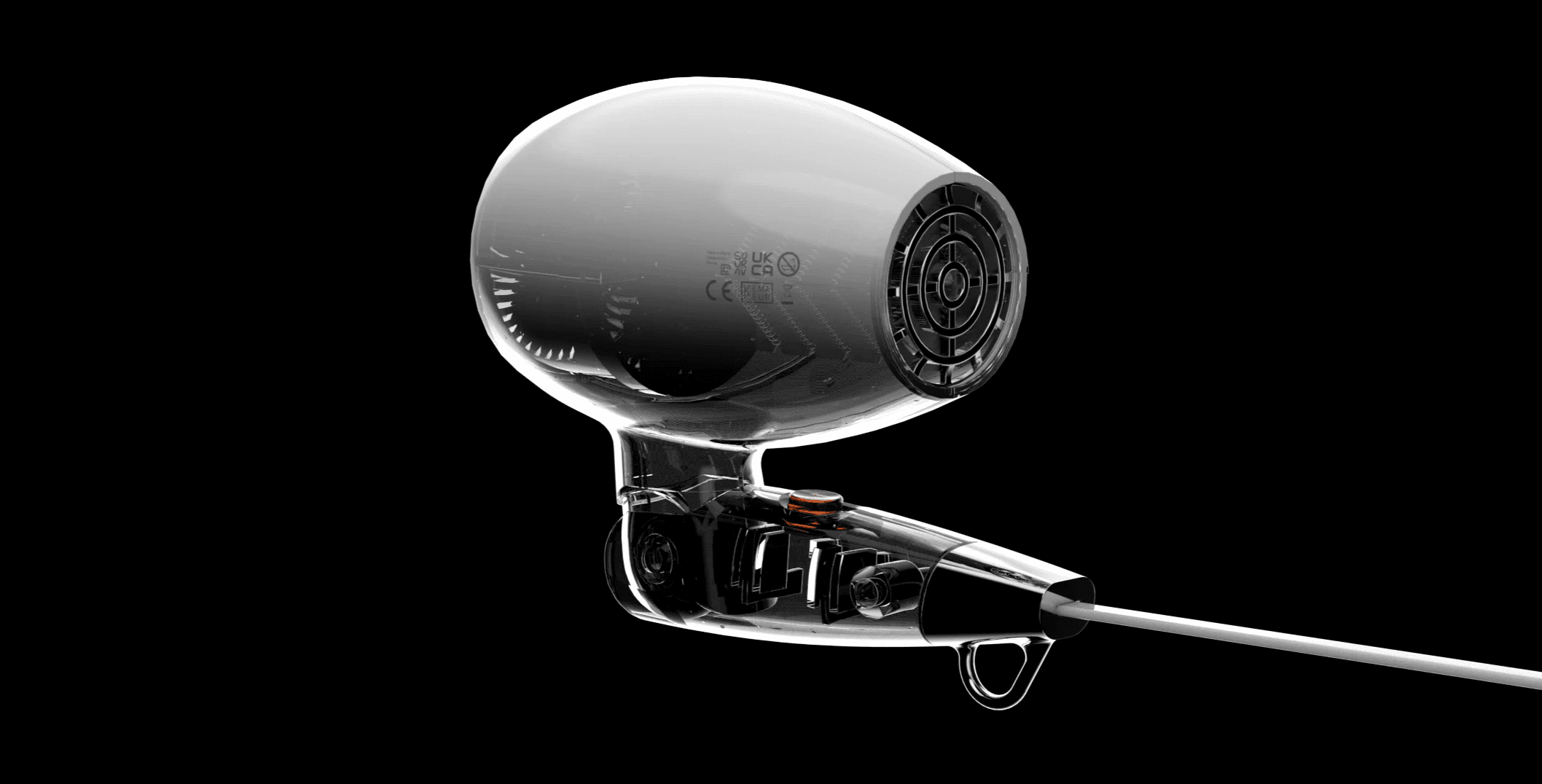

Enclosure design for a conch shell–inspired hair dryer, focusing on ergonomic form development, surface continuity, visual identity, and translating cultural inspiration into a functional consumer product.

Enclosure design for a conch shell–inspired hair dryer, focusing on ergonomic form development, surface continuity, visual identity, and translating cultural inspiration into a functional consumer product.

Product Naming

Pānchjanya is named after a conch shell from Indian mythology, traditionally associated with clarity, strength, and decisive action. The conch’s spiral form and symbolic role as a call to action inspired both the product’s name and its sculptural enclosure design.

Pānchjanya is named after a conch shell from Indian mythology, traditionally associated with clarity, strength, and decisive action. The conch’s spiral form and symbolic role as a call to action inspired both the product’s name and its sculptural enclosure design.

Form Study

Essence

Through careful observation and analysis, I have identified three fundamental visual features that define conch shells: Asymmetry, Curvature, and Spiral forms.

Through careful observation and analysis, I have identified three fundamental visual features that define conch shells: Asymmetry, Curvature, and Spiral forms.

Curve

Asymmetry

Spiral

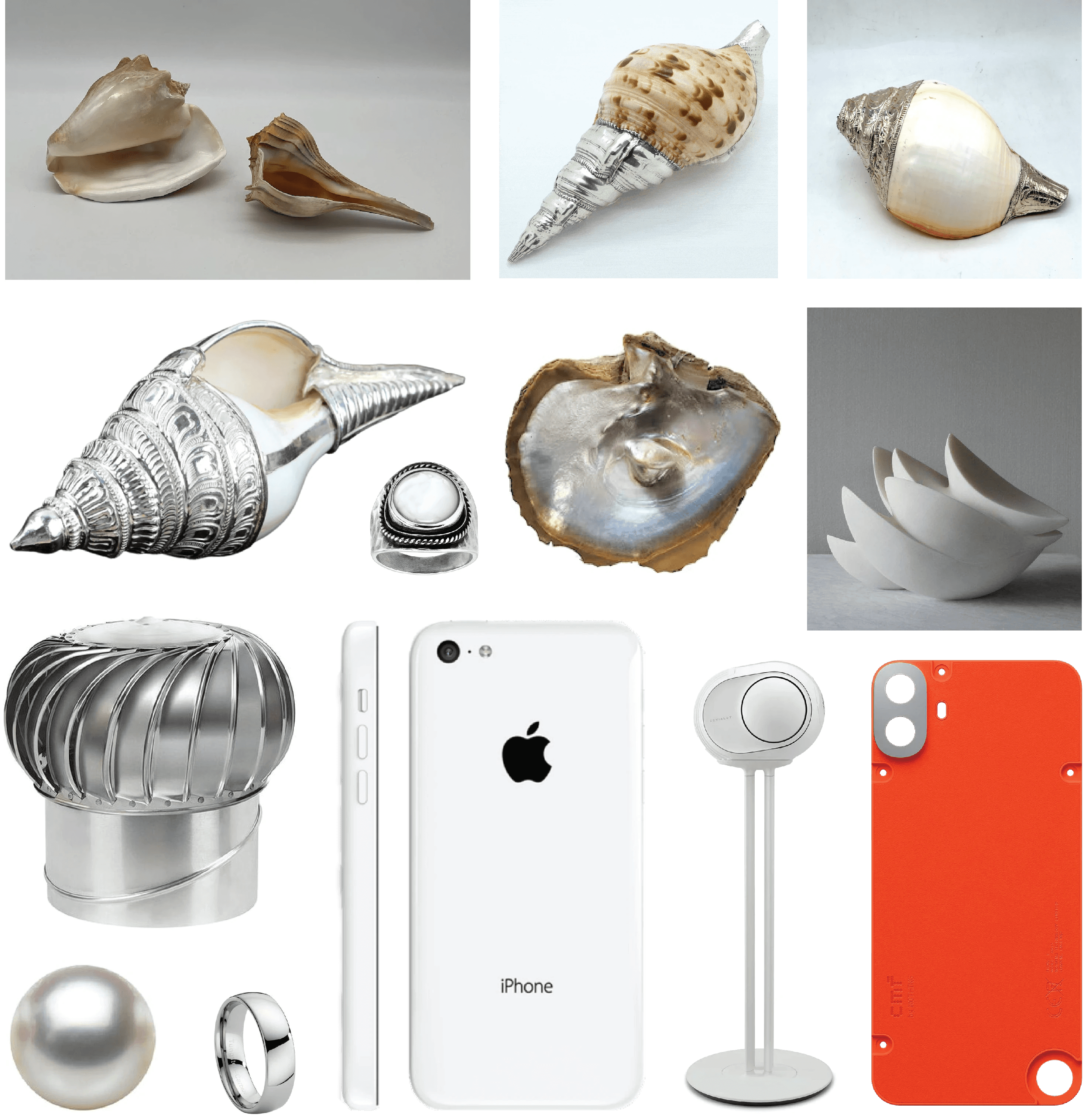
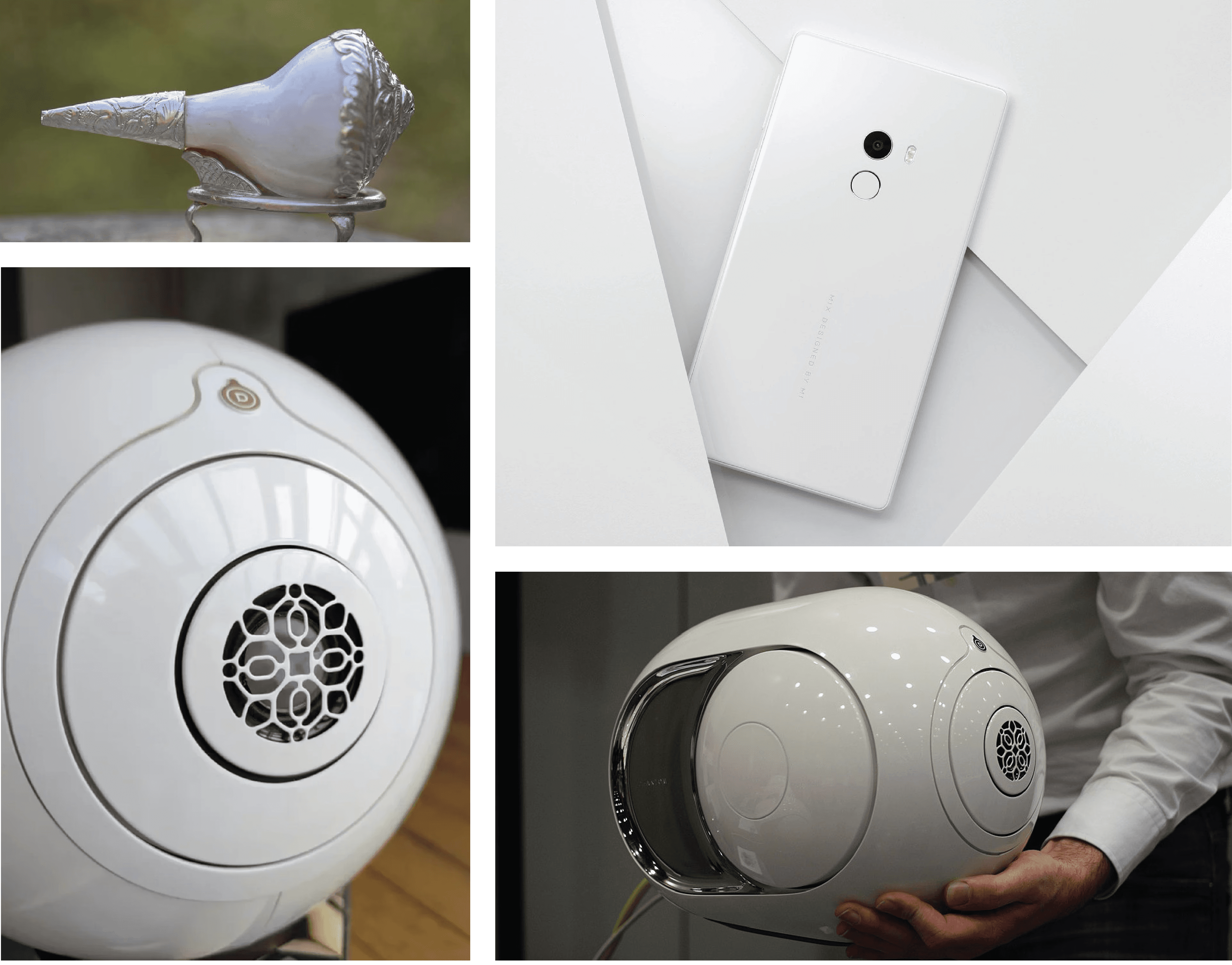
Mood Board

Rather than replicating the form of a shell, the intention was to understand the qualities that make it enduring—its flowing geometry, layered construction, and effortless continuity. These observations, together with references from contemporary electronics, informed a product language that feels calm, precise, and purposeful.

Ideations
The early concepts explored a more literal interpretation of the conch shell and were influenced by the proportions of existing hairdryer designs. As my understanding of airflow and the Thomson–Joule principle evolved, the design moved away from imitation. The emphasis shifted from recreating the shell's appearance to expressing its essential qualities—its Asymmetry, Curvature, and Spiral forms. This transition allowed the form to become more original, guided by first principles rather than familiar products.

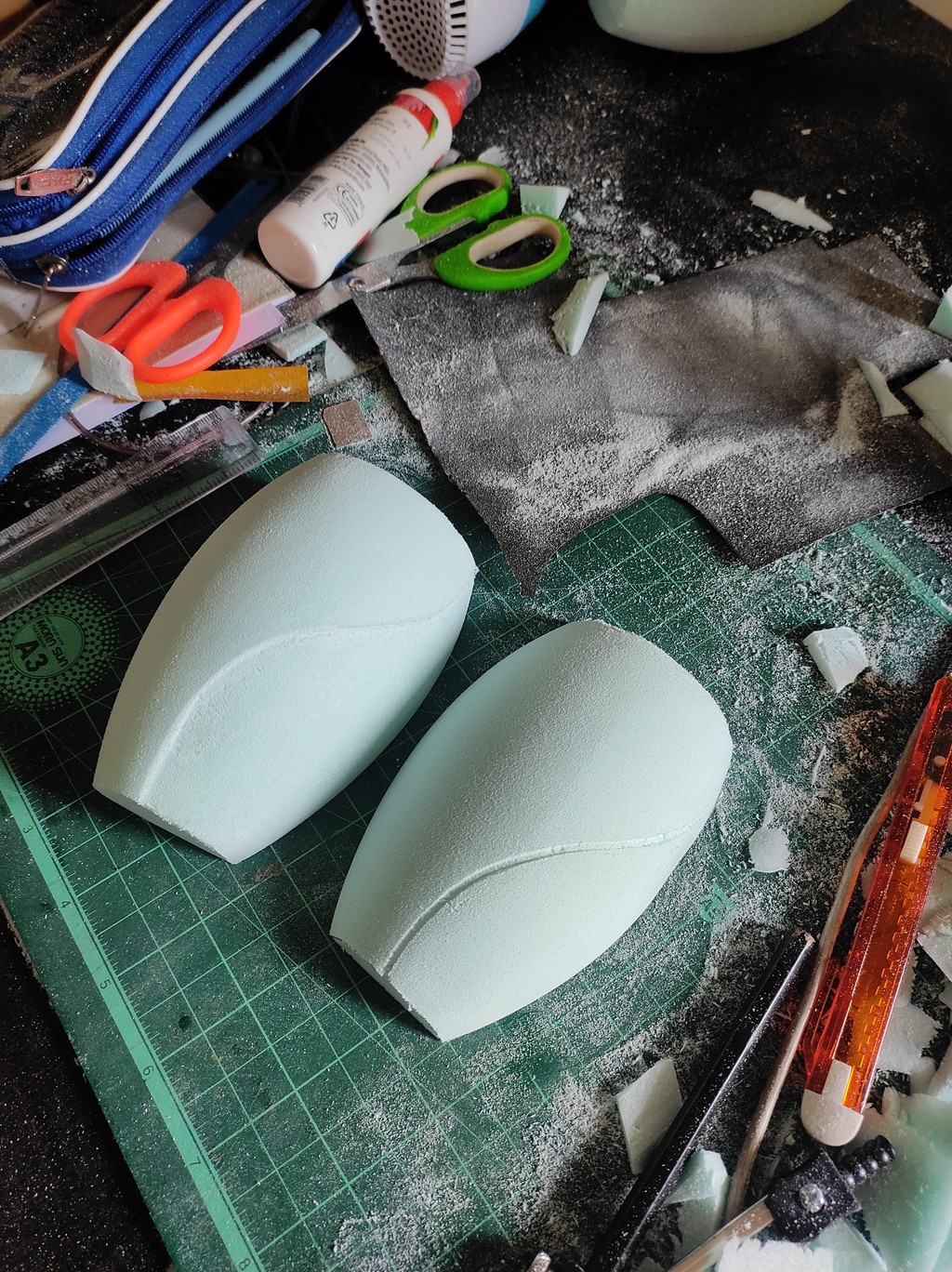
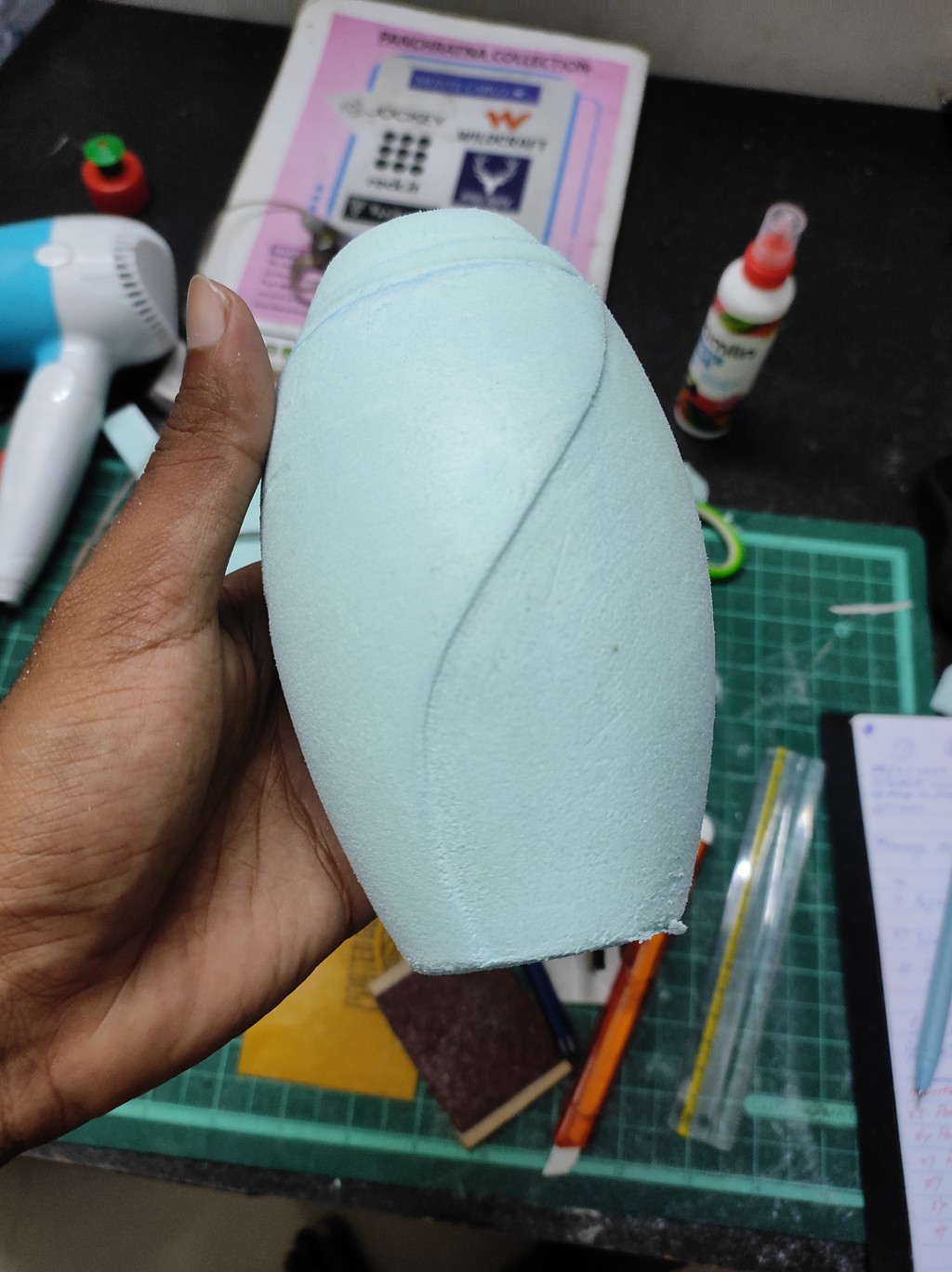
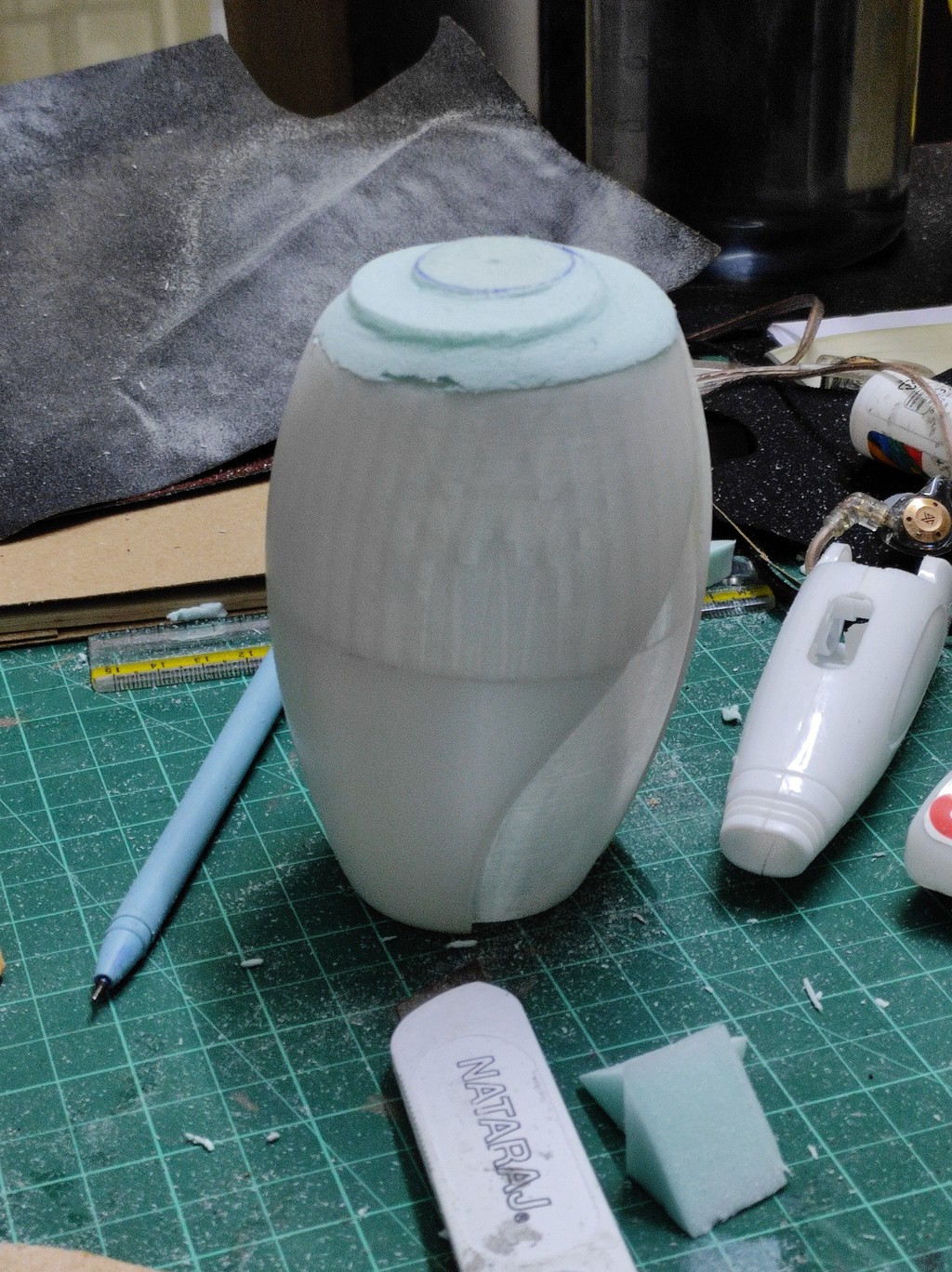
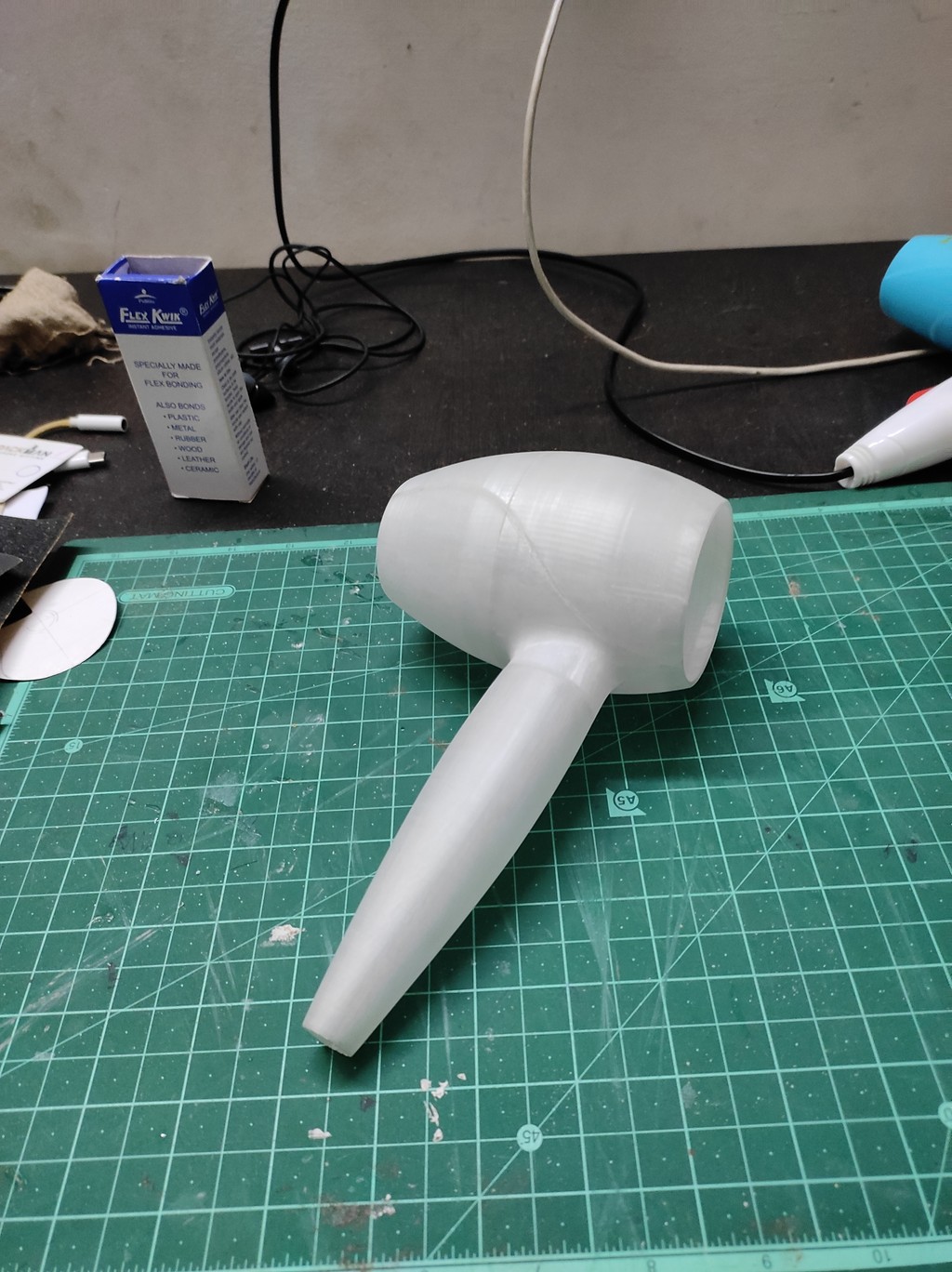
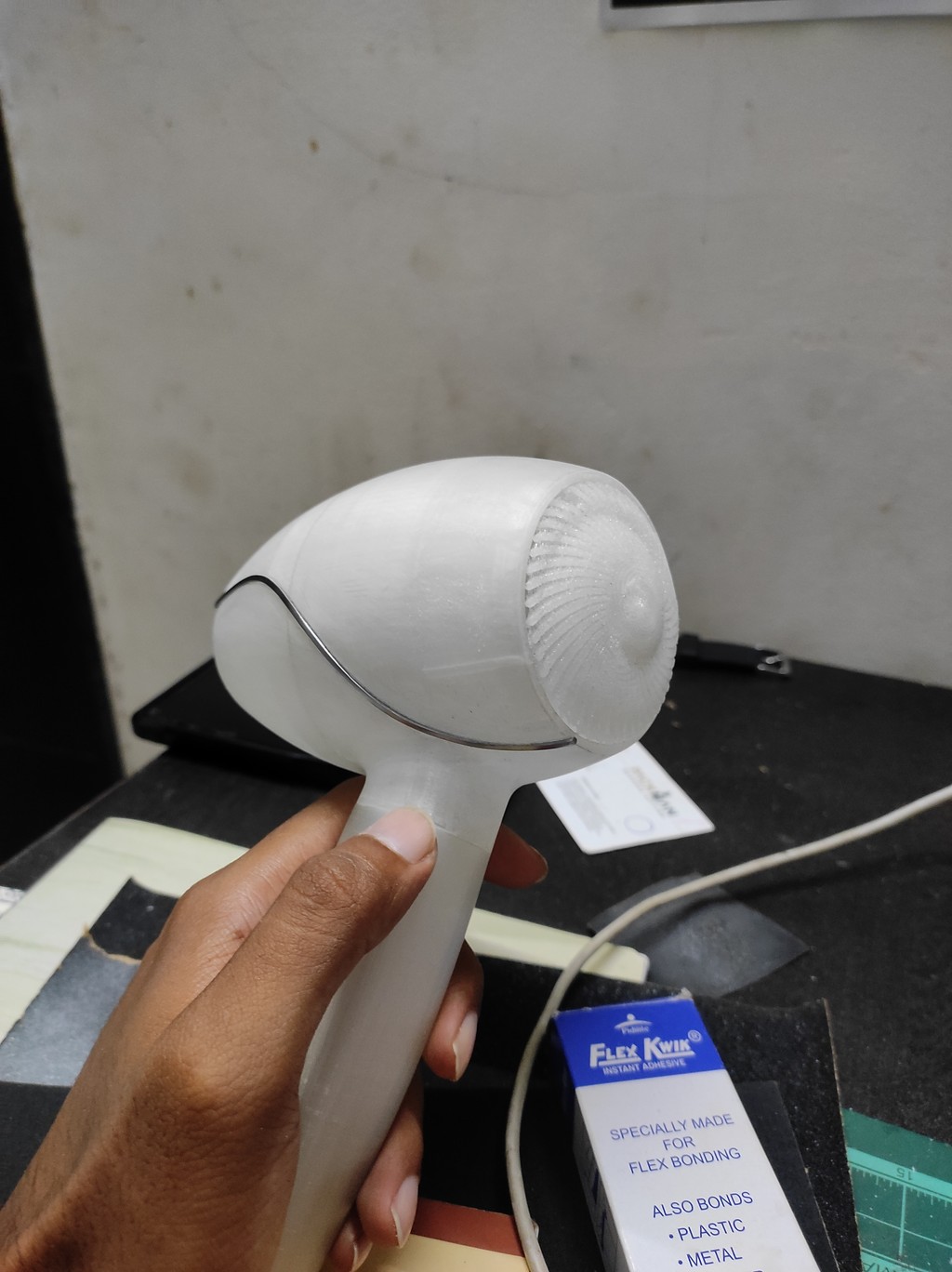
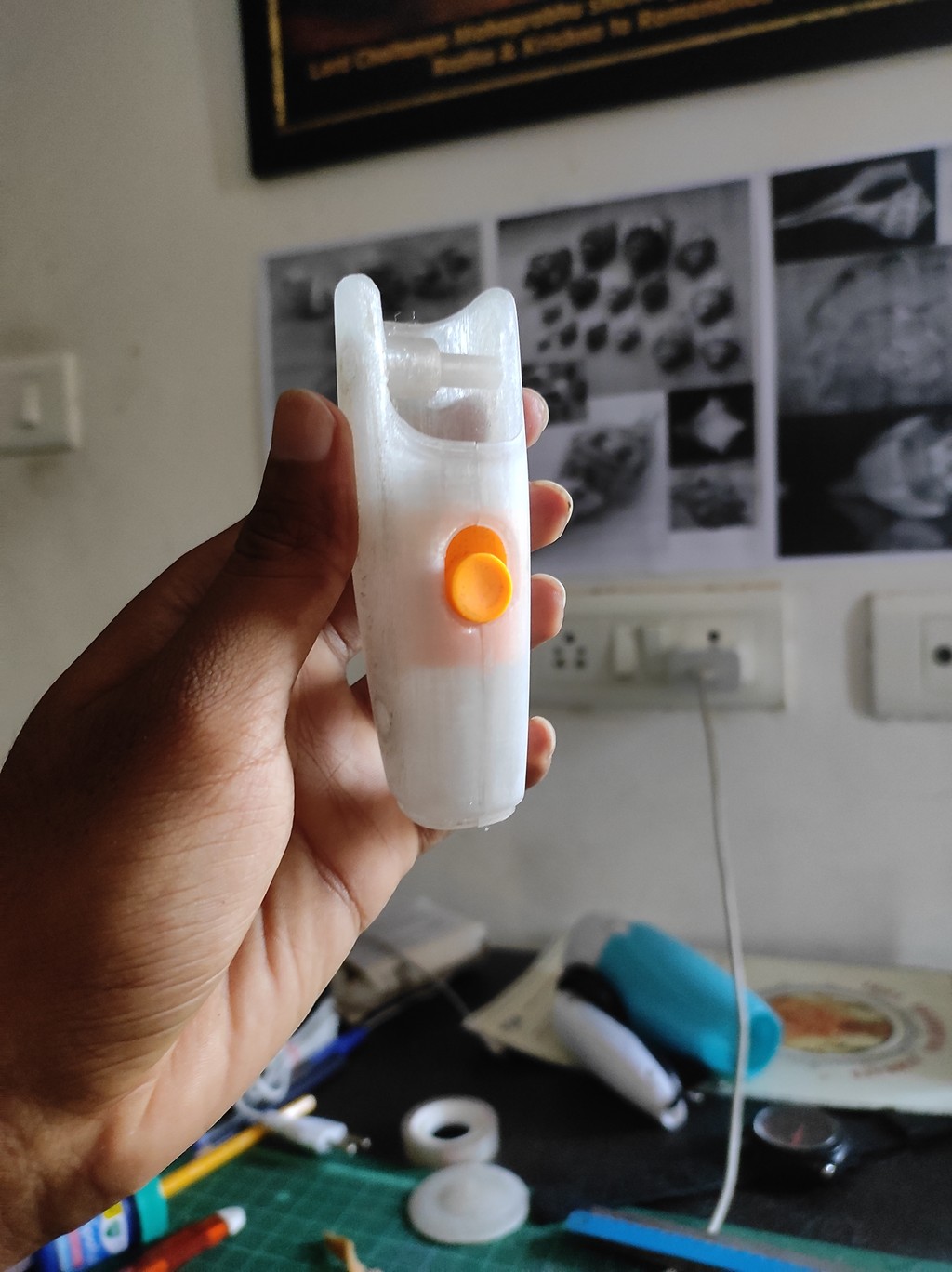
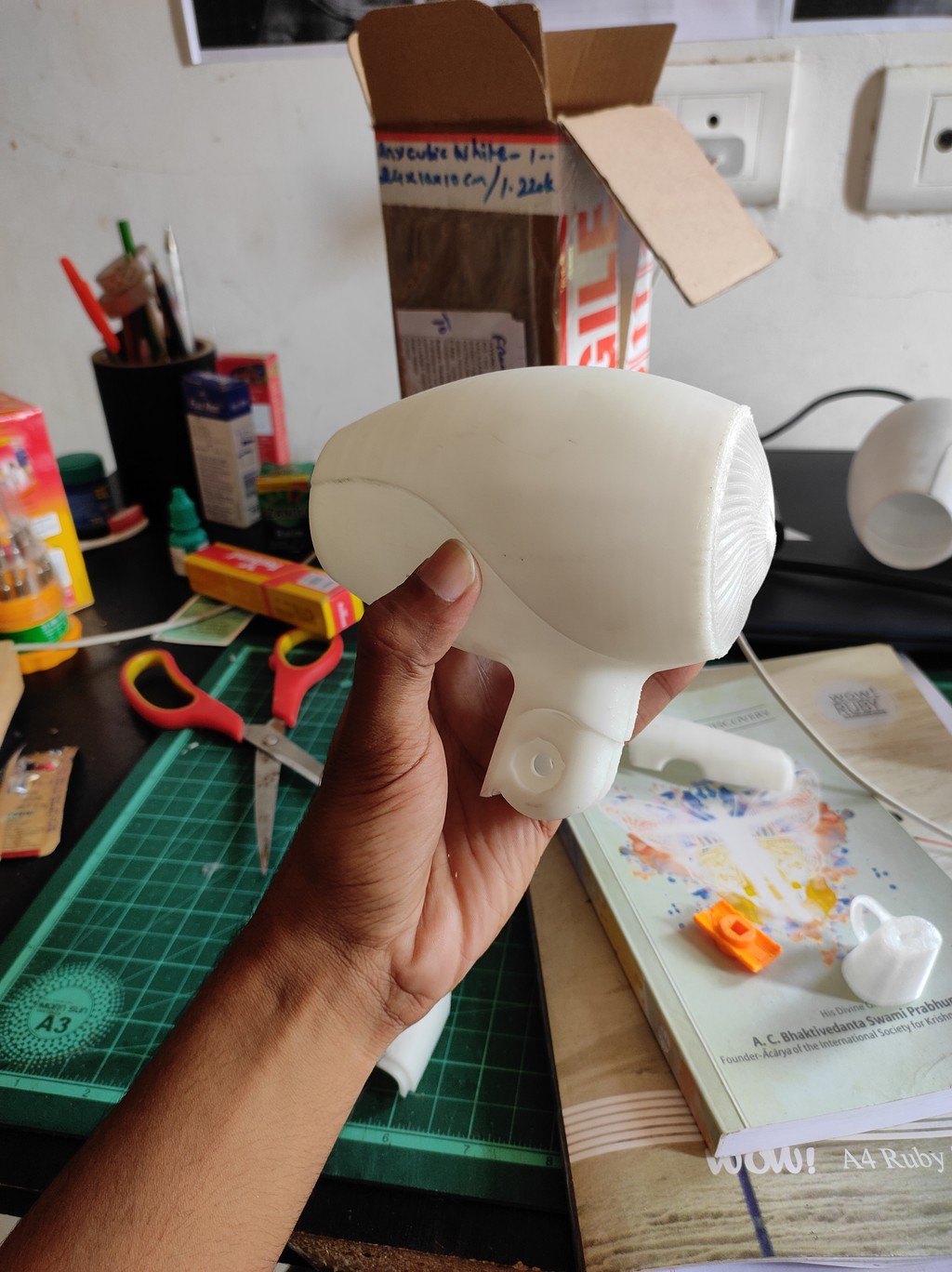
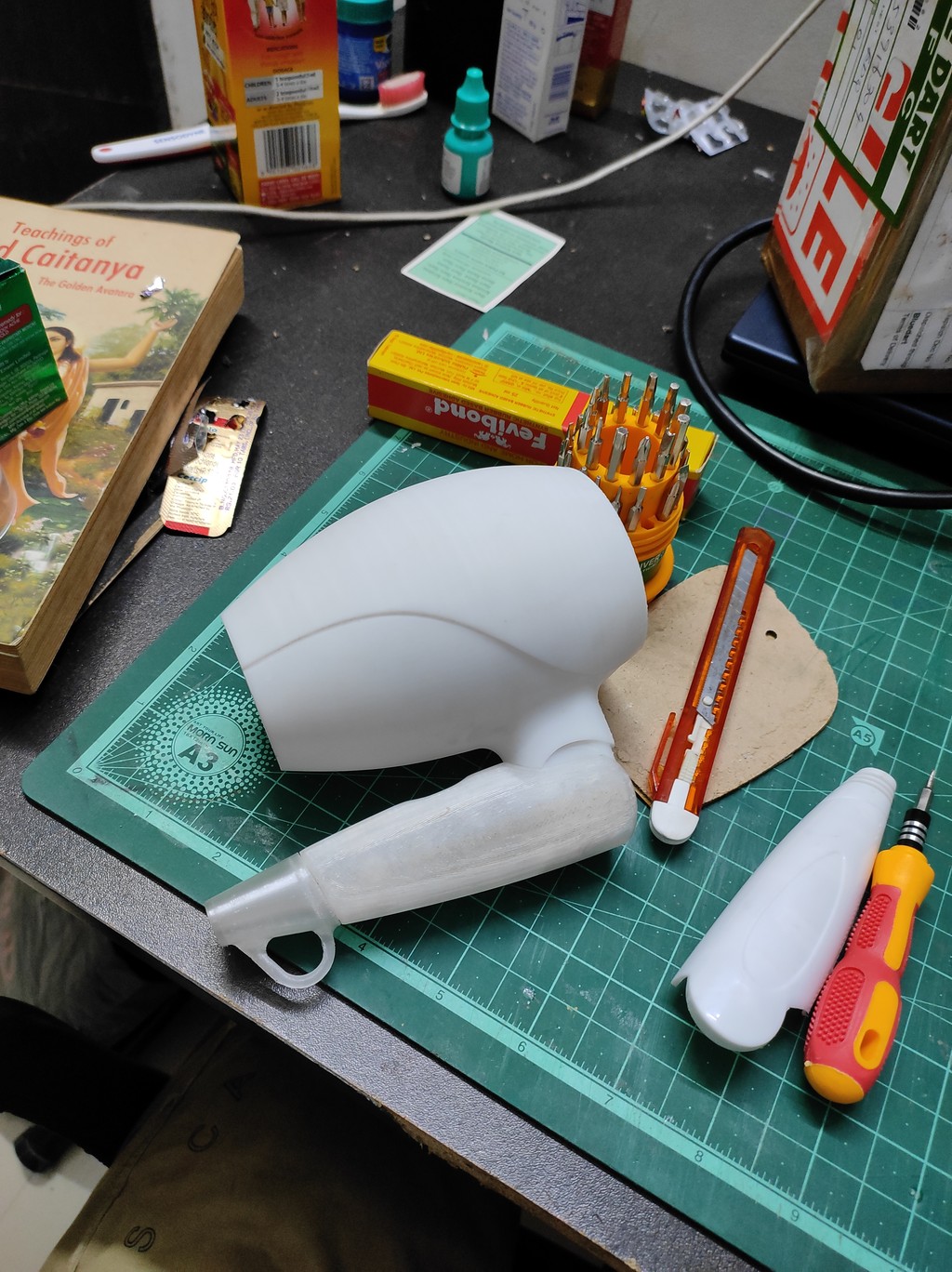
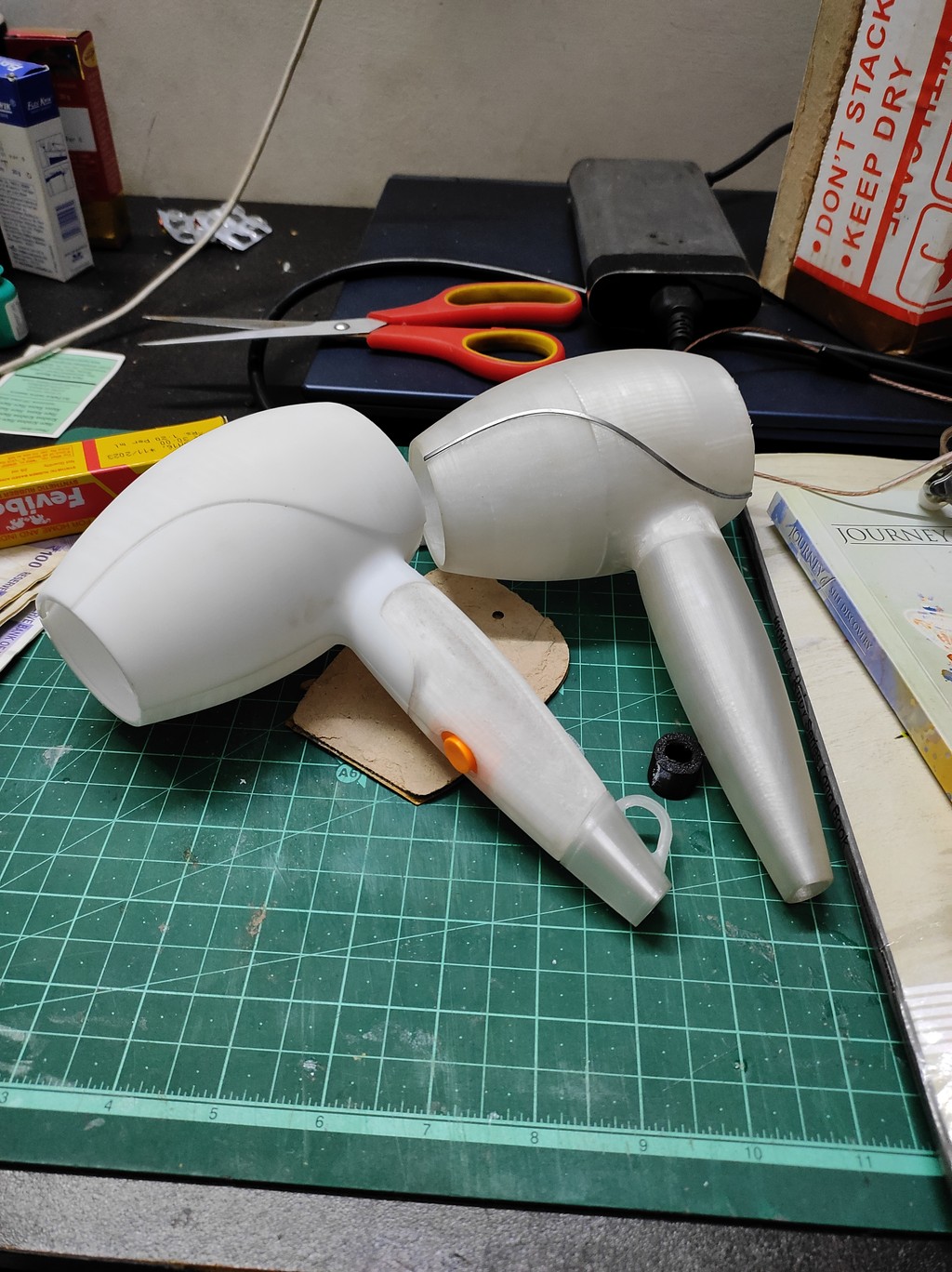
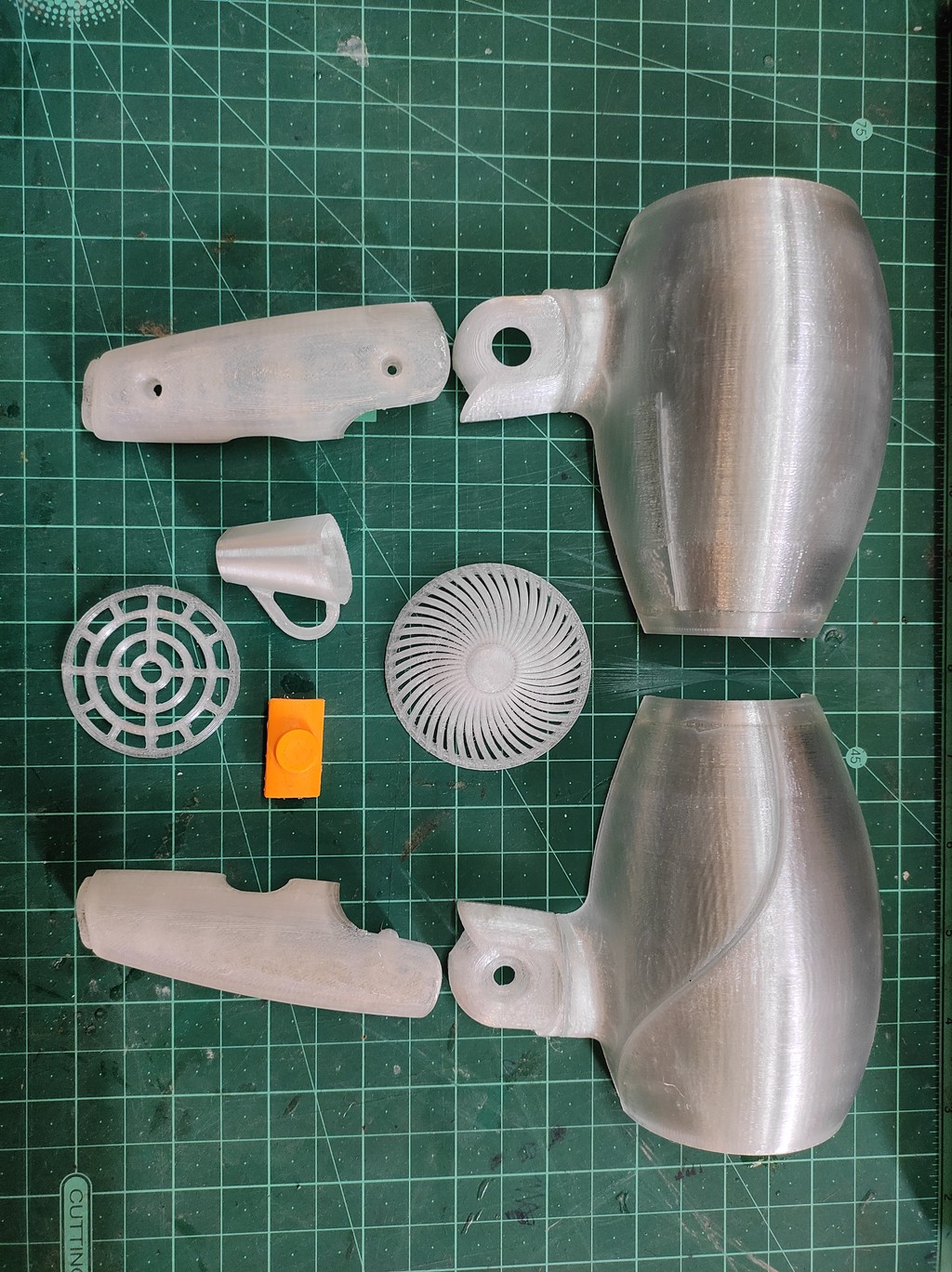
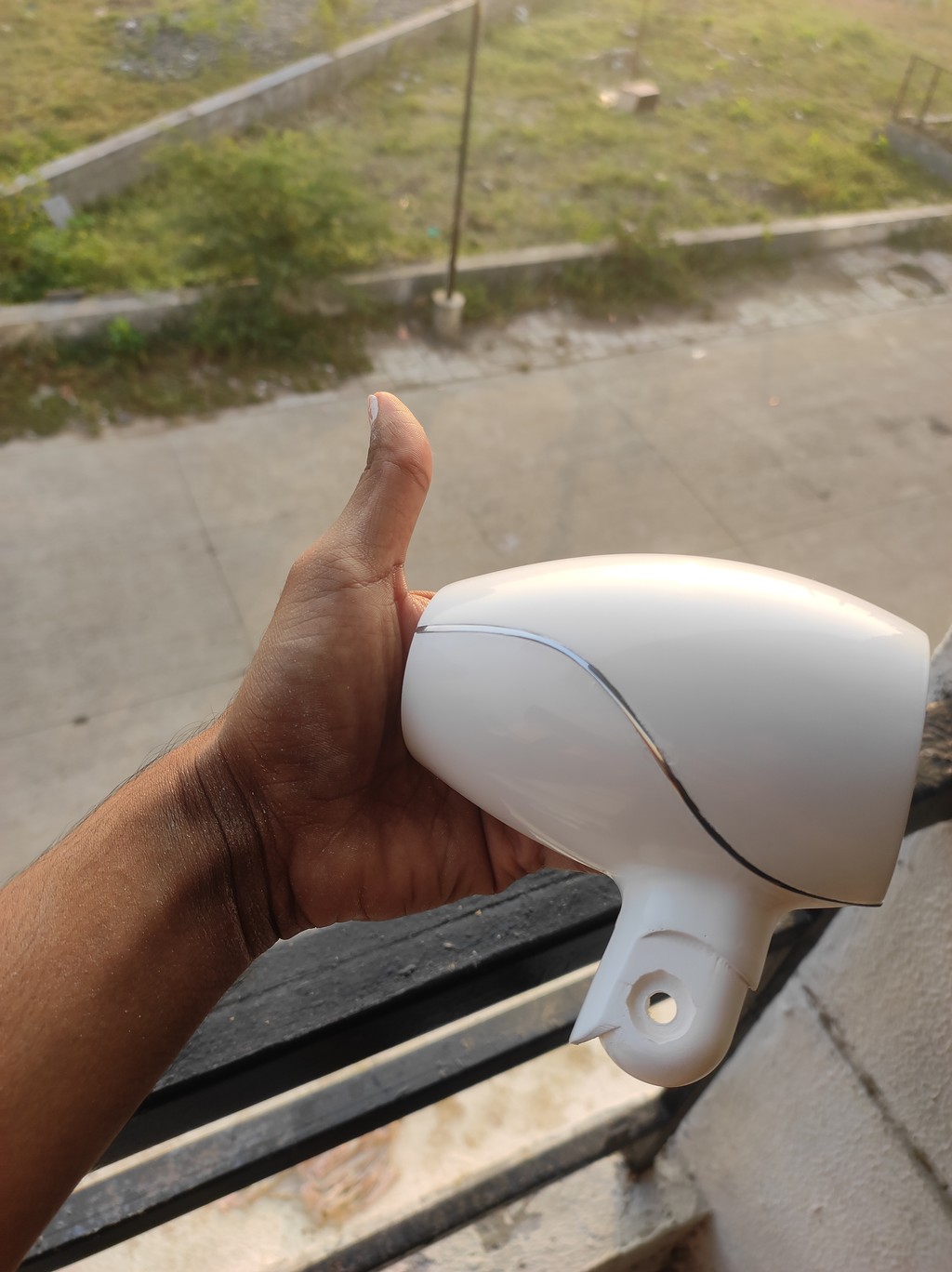
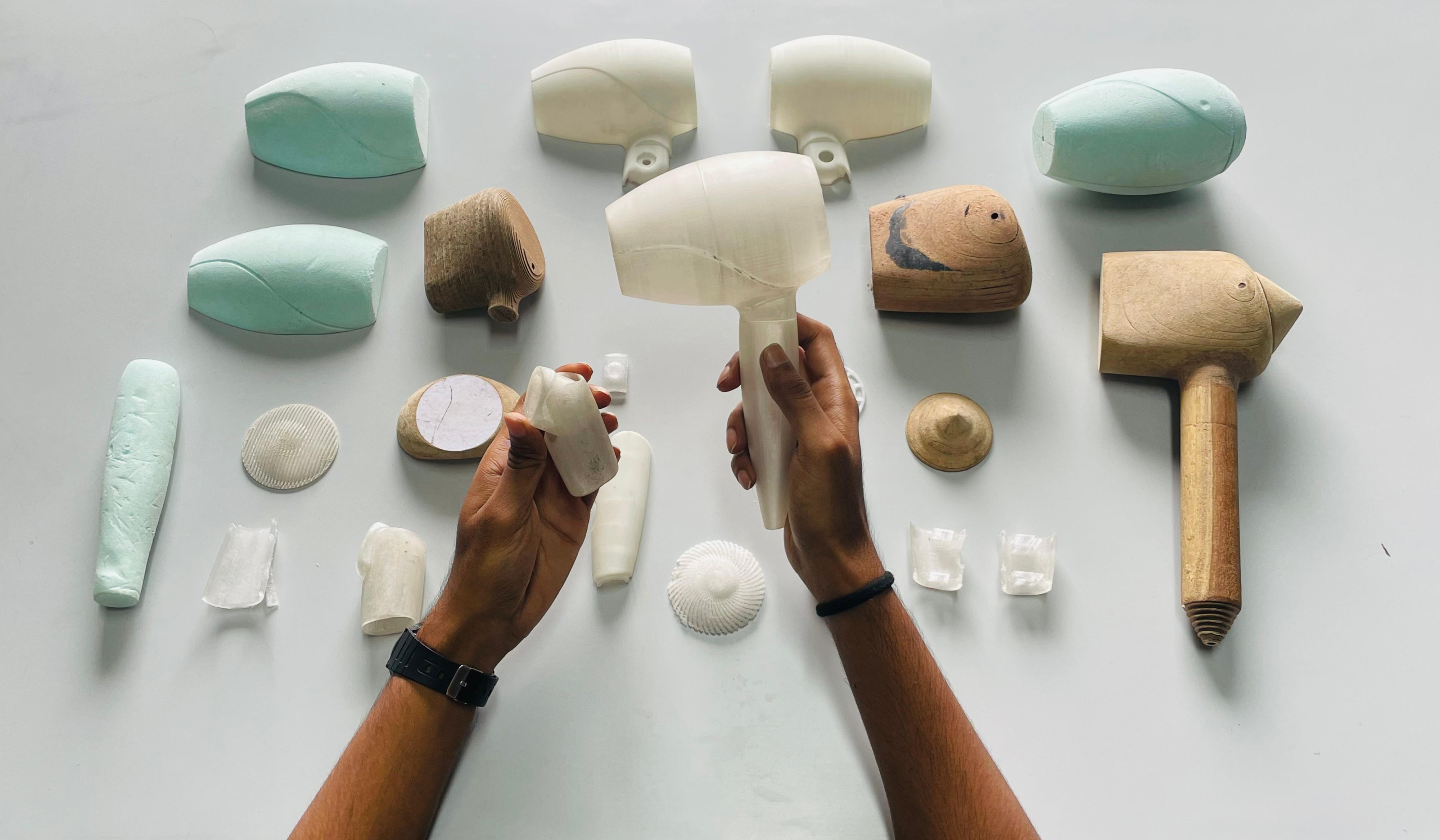
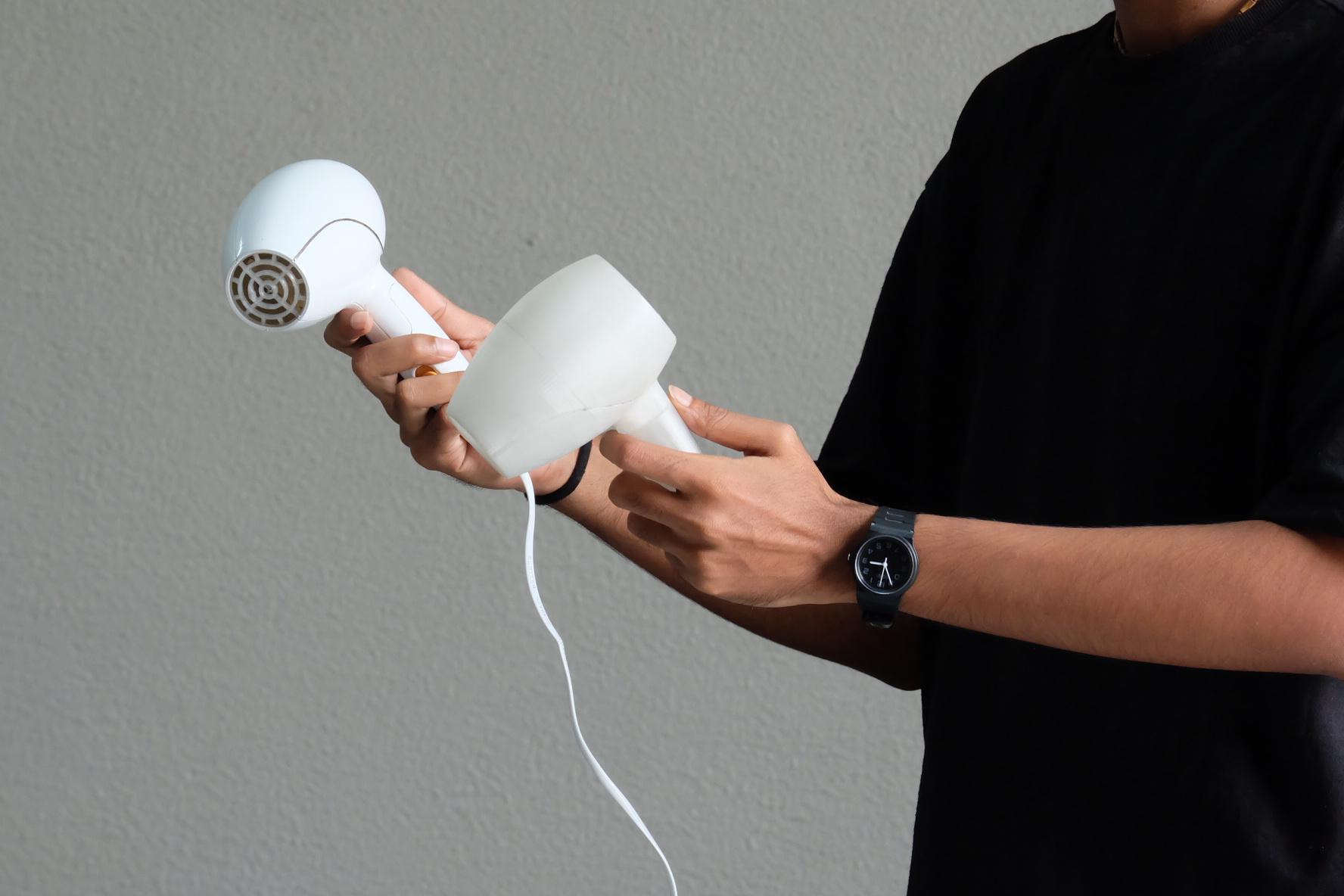
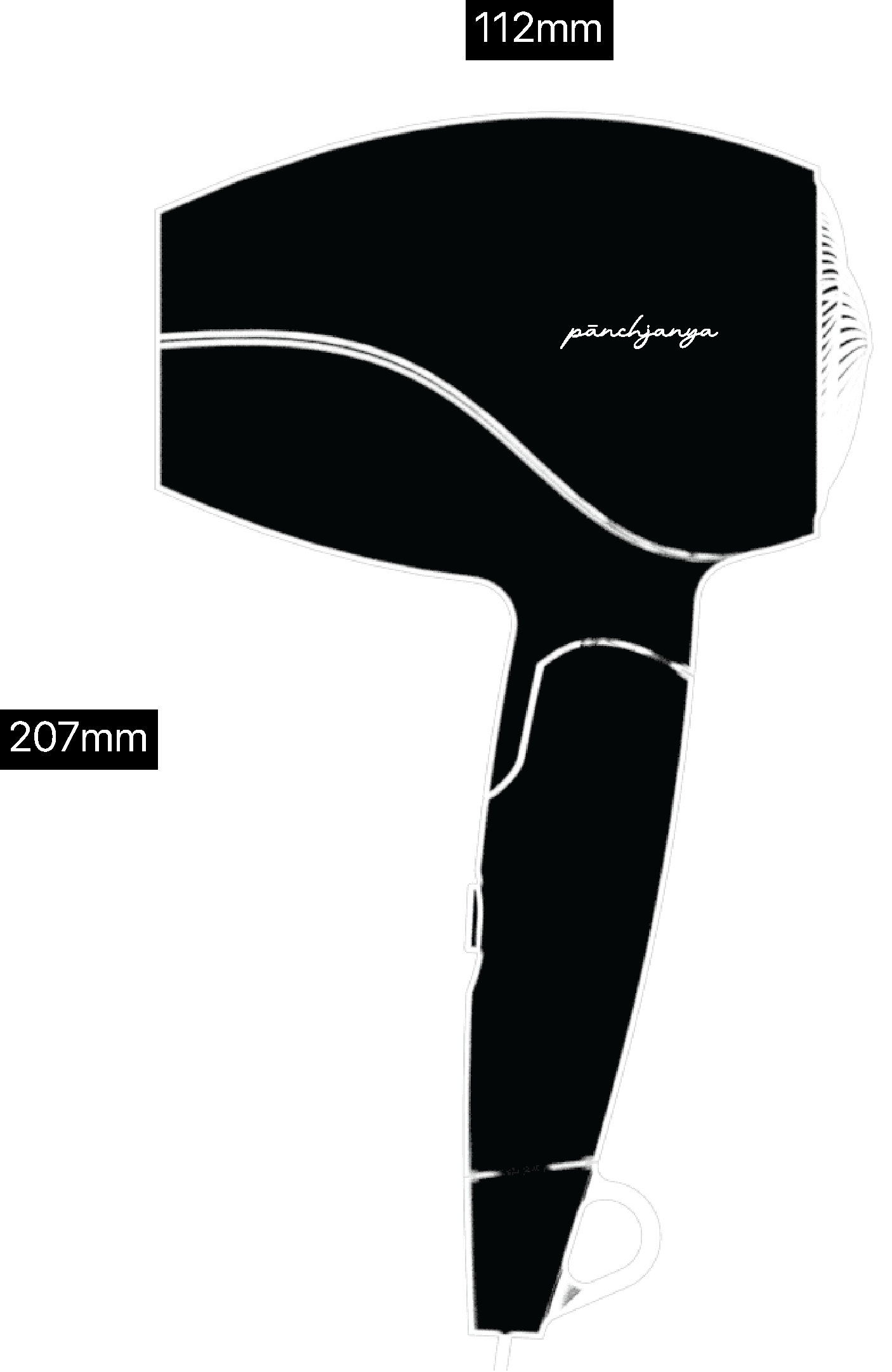
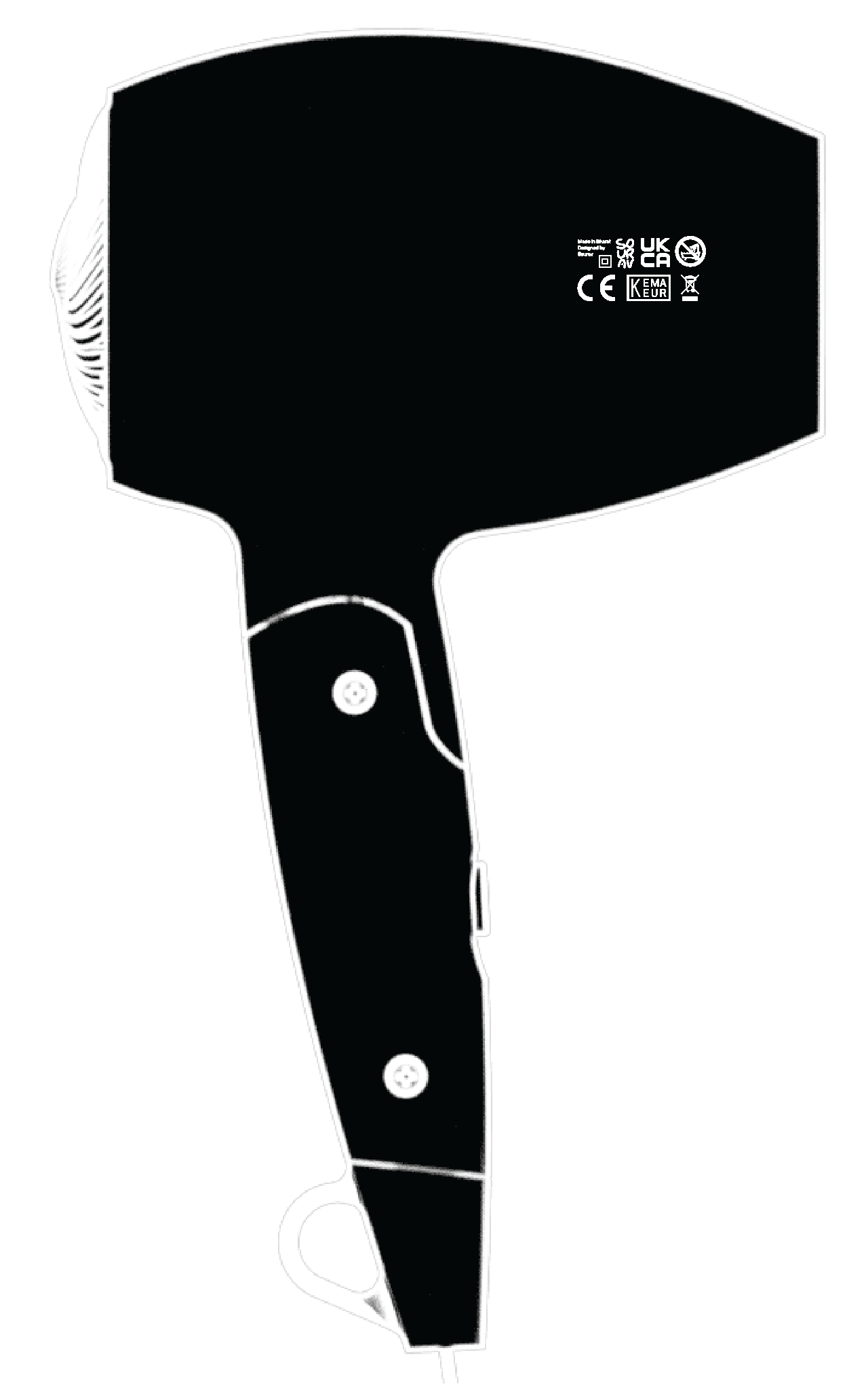
The prototypes were developed using a combination of 3D printing, hand-finishing, and iterative assembly. This process enabled continuous evaluation of ergonomics, proportions, and construction, while revealing practical insights that informed each successive refinement. Rather than confirming the design, each prototype became a tool for questioning and improving it.
Prototype

The prototypes were developed using a combination of 3D printing, hand-finishing, and iterative assembly. This process enabled continuous evaluation of ergonomics, proportions, and construction, while revealing practical insights that informed each successive refinement. Rather than confirming the design, each prototype became a tool for questioning and improving it.